eLearning Development and Implementation
This 12-week course empowers GMIT faculty to design, develop, and manage effective e-learning courses tailored for engineering education. Participants will explore advanced instructional models, create inclusive and engaging online learning environments, and produce digital content that meets evolving learner needs. The course also introduces emerging technologies such as Artificial Intelligence (AI) in learning design and fosters collaborative learning networks among faculty to enhance teaching innovation and institutional capacity in digital education.
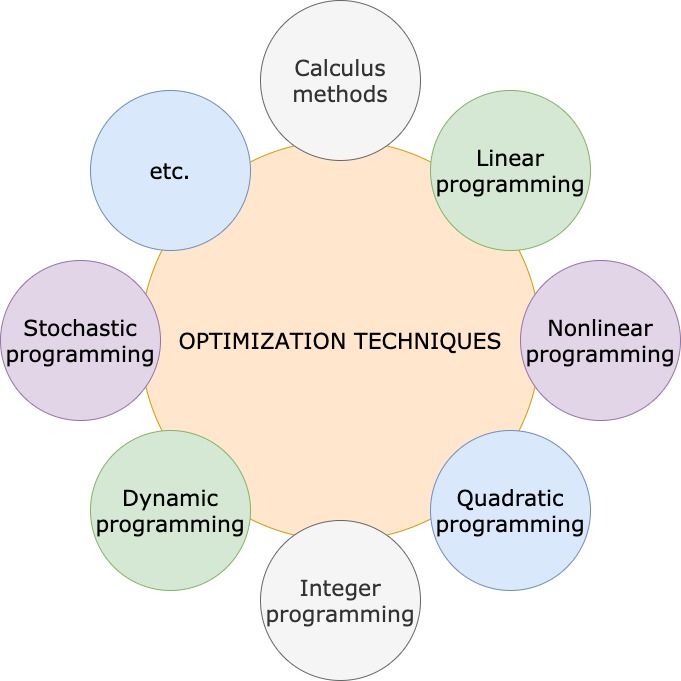
Optimization Techniques
Mathematics 2
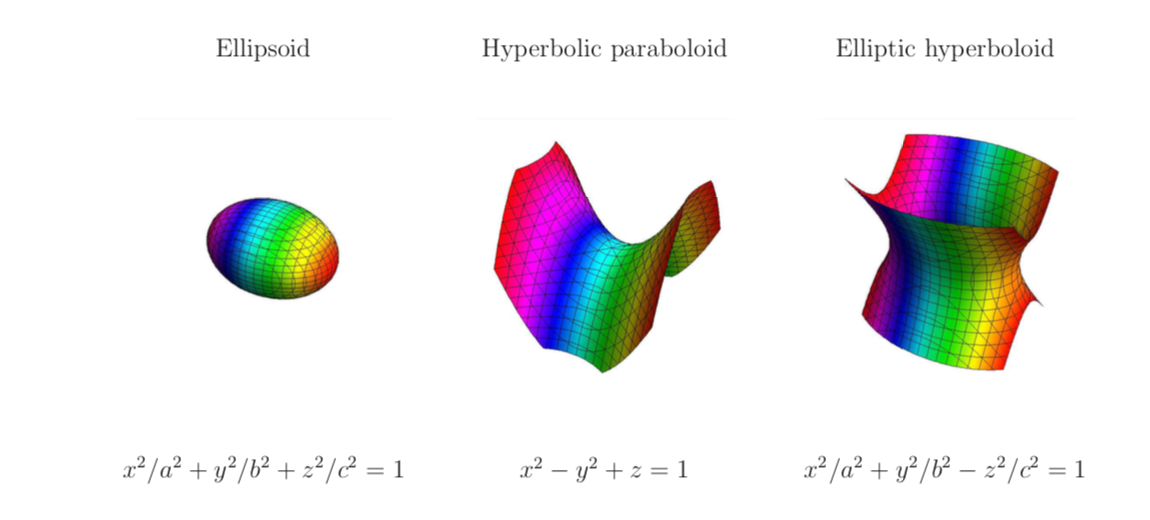
The course with code MATH102 is designed for bachelor study programs. Its primary learning outcomes include demonstrating and applying the basic concepts of series, explaining and calculating differential and integral calculus of functions of several variables, and applying the basic concepts of ordinary and partial differential equations.
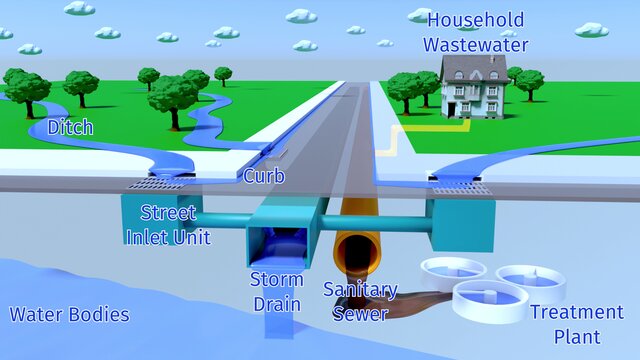
Urban Drainage - Ariuntuya
PHY 101
This foundational course introduces
you to the fundamental concepts of mechanics, energy, fluid mechanics, electricity, and oscillations. You will explore the laws governing motion, forces, energy transformations, and electric phenomena, gaining both conceptual understanding and problem-solving
skills applicable to engineering systems. Throughout the semester, you will participate in lectures, recitations, and laboratory sessions to strengthen your ability to apply physical principles in real-world contexts relevant to mechanical, electrical,
and industrial engineering.
General Chemistry
This course provides an introduction to the chemistry of biological, inorganic, and organic molecules. The emphasis is on basic principles of atomic and molecular electronic structure, thermodynamics, acid-base and redox equilibria, chemical kinetics, and catalysis. Relationships between chemistry and other fundamental sciences such as physics are emphasized, as are the relationships between the science of chemistry to its applications in environmental science, atmospheric chemistry and electronic devices.
Project Management - Enkhzaya
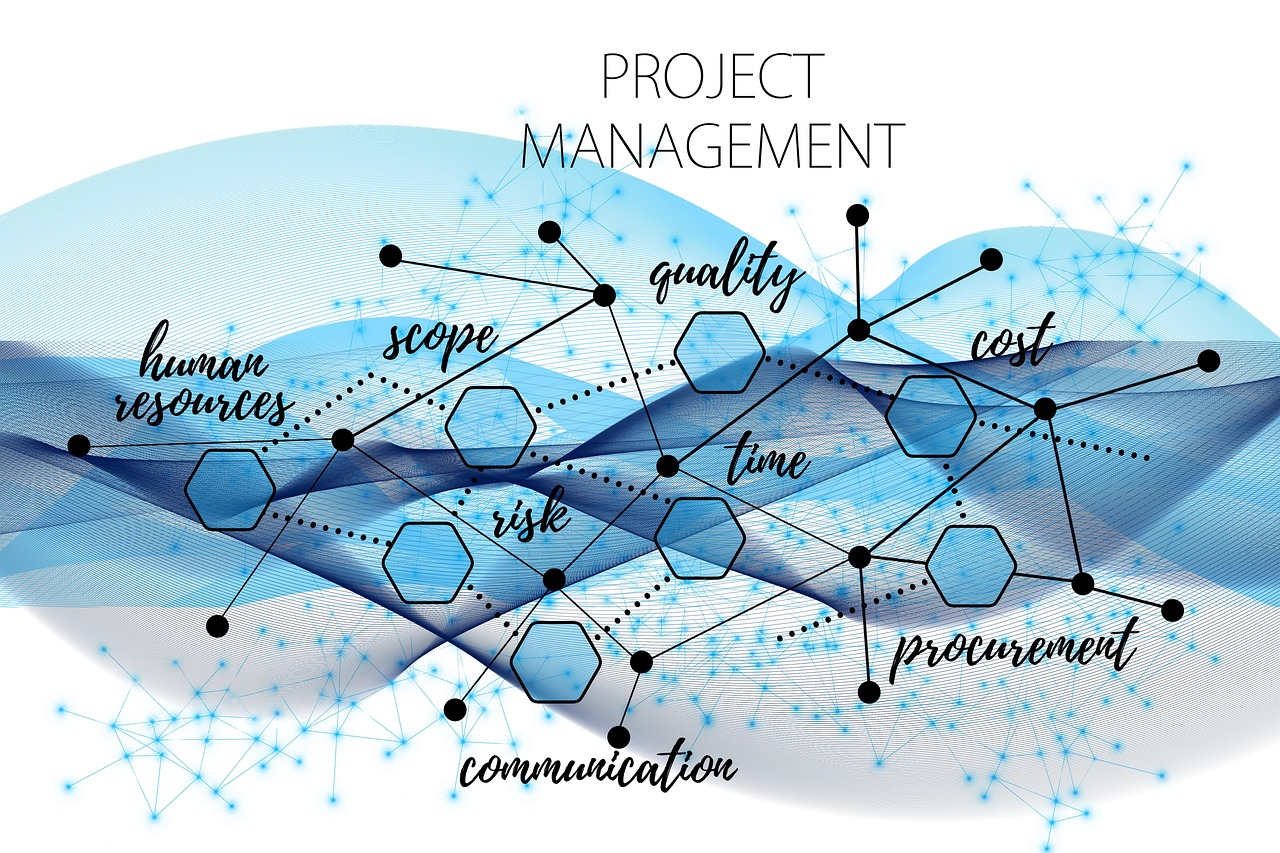
Project Management is widely used in public and private sectors to improve operations, respond to opportunities, and manage complex challenges. This course introduces junior engineering students to key project management concepts, tools, and techniques for initiating, planning, executing, and controlling projects. Students learn scheduling, budgeting, risk management, teamwork, and modern approaches such as agile and sustainability. Through exercises, cases, and projects, they gain basic skills in leading and collaborating in project teams as well as using digital tools. By the end, students can apply core methods to simple engineering and business projects.
German B2.1
HERZLICH WILLKOMMEN IM DEUTSCHKURS B2.1!
Im Deutschkurs B2.1 vertiefen Sie Ihre Deutschkenntnisse.
Sie lernen Deutsch in alltäglichen privaten und berufsbezogenen Situationen zu verstehen sowie mündlich und schriftlich anzuwenden.
Operations Management Course
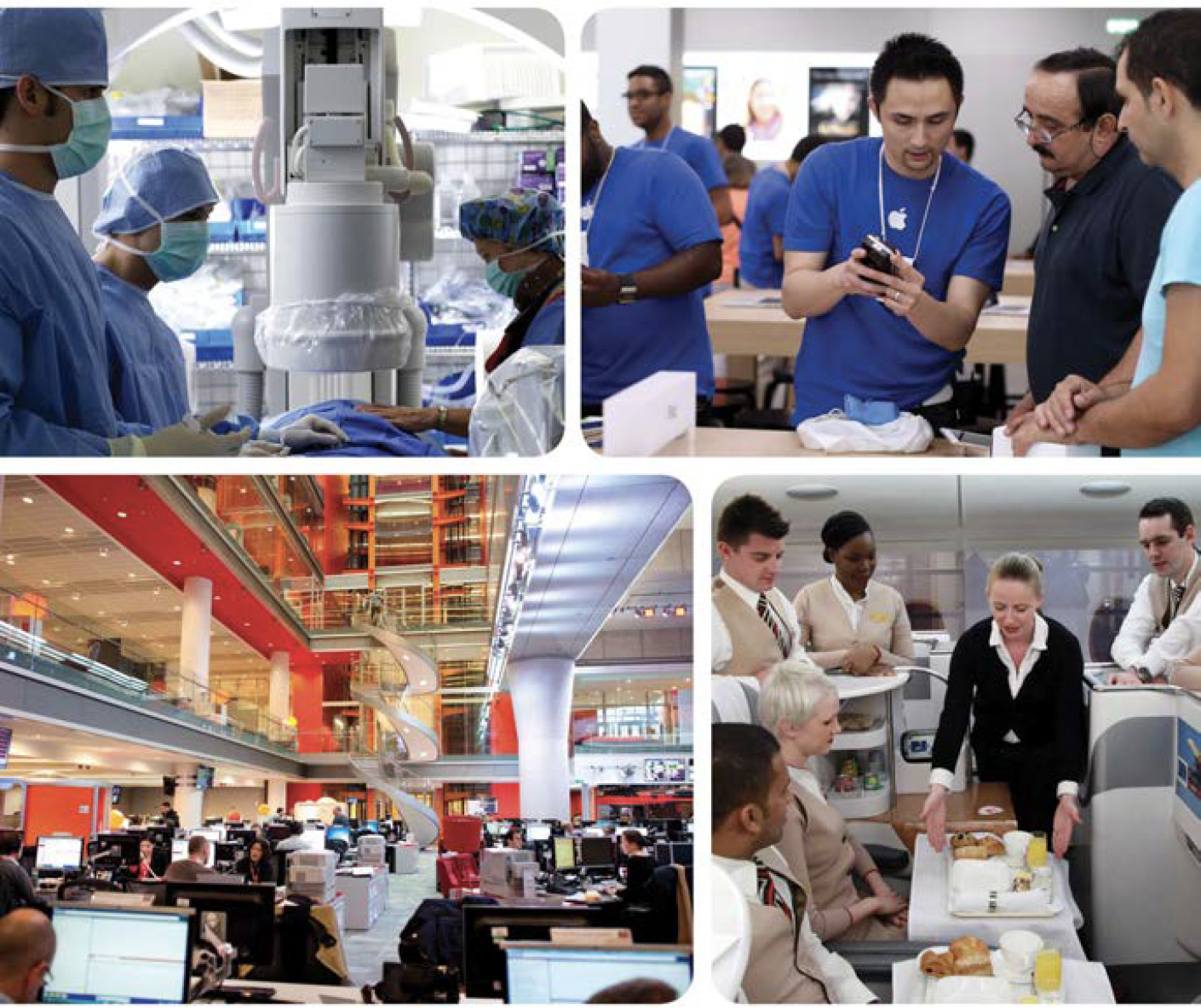
This course provides a general management perspective on the role of operations in companies across both manufacturing and service industries. It offers a broad survey of concepts and techniques involved in designing, managing, and monitoring business operations. Emphasis is placed on understanding the role of operations in building a company’s competitive strength, creating value, and delivering customer satisfaction.
The course is structured around three main parts: 1. Designing Operations, 2. Managing Operations, 3.Monitoring and Controlling Operations.
Scientific Writing
Title of the module: Scientific Writing
Module instructor: Prof. Dr. G.Gantuya
Course Goal: This module instructs the basics required for the scientific writing and publishing of project works and bachelor theses, and for producing reasonable presentations for conferences, seminars, etc.
Objectives: On successful completion of this module, the students should be able to: 1. Utilize the principles of scientific writing. 2. Competently recapitulate issues. 3. Carry out literature research. 4. Grasp didactically prepared mediation. 5. Give and assess verbal presentations. 6. Apply moderation techniques.
Number of hours: 2 UoIR
Grading: Pass/Fail
Intercultural Communication Competence
This course introduces students to the knowledge, skills, and attitudes needed to communicate effectively across cultures in academic, professional, and everyday contexts. It explores how cultural values, beliefs, communication styles, and social norms shape human interaction. Through theoretical frameworks, case studies, and practical activities, students learn to recognize cultural differences, manage misunderstandings, and adapt their communication strategies appropriately.
The course emphasizes self-awareness, empathy, perspective-taking, and critical thinking. Students develop the ability to analyze intercultural situations, identify potential sources of conflict, and apply culturally responsive solutions. By the end of the course, learners will be equipped with the tools to build respectful relationships, collaborate in multicultural teams, and navigate diverse global environments with confidence.


Environmental Chemistry
This course provides a broad overview of chemistry of air, water, and toxic organic compounds as well as how anthropogenic activities affect this chemistry on planet Earth. Specifically, students examine the sources, reactions, transport, effects, and fates of chemical species found in air and water as well as the effects of technology thereon.
Topics include atmospheric chemistry and air pollution, greenhouse effect, basic concepts of water chemistry and water pollution, understanding of toxic organic compounds including heavy metals, pesticides, dioxins, furans, and PCBs, environmental and pollution control, environmental laws and management.
Basic Engineering Program-Physics 1
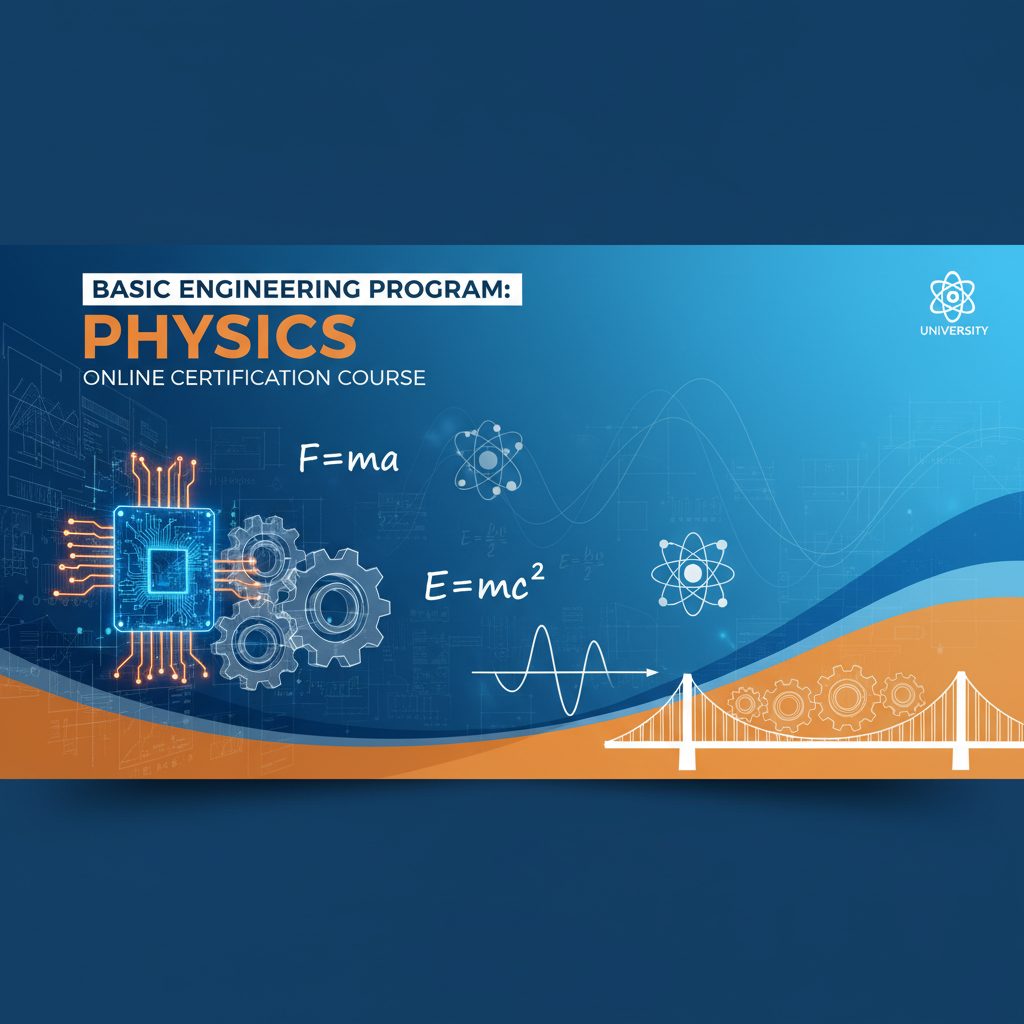
This 16-week online course provides the physics foundation you need to succeed in bachelor's degree engineering programs. You will study mechanics, thermodynamics, electricity, and magnetism through problem-solving exercises, interactive simulations, and engineering applications that prepare you for university-level coursework. You will develop the mathematical problem-solving skills, scientific reasoning abilities, and conceptual understanding required for admission to and success in bachelor's engineering programs.

Engineering Mechanics 1: Statics
GMIT Onboarding eCourse
Welcome to the onboarding eCourse for new employees joining the GMIT team.
The goal of this eCourse is to support new employees in successfully integrating into GMIT by providing essential knowledge about the university’s vision, values, organizational culture, policies, and working procedures. Through this e-learning format, new staff will build the confidence, skills, and resources they need to adapt quickly to their roles, collaborate effectively with colleagues, and contribute to GMIT’s mission from the very beginning.
Инженерийн ёс зүй
Энэхүү сургалт нь Монгол Улсын уул уурхайн салбарын мэргэжилтнүүдэд ёс зүй, ил тод байдал, шударга байдлын чиглэлээр эрчимтэй мэдлэг, ур чадвар олгож, олон улсын стандартад нийцсэн, нийгэм, байгаль орчинд хариуцлагатай уул уурхайн үйл ажиллагааг хөгжүүлэх юм.

Engineering Ethics for Master program
This course provides a comprehensive introduction to ethical issues in engineering practice. Students will explore professional responsibilities, ethical decision-making frameworks, and real-world cases where engineers faced moral dilemmas. Through readings, discussions, case analyses, and reflective exercises, students will develop the critical thinking skills necessary to identify and resolve ethical challenges in their future engineering careers.